
Is Taiwan Good for a Master’s Degree for Indian Students?
May 1, 2026
Taiwan is emerging as one of the most underrated yet powerful destinations for Indian students who want a high quality, industry connected master’s degree without taking huge education loans. For STEM, management and tech oriented programs, it offers an attractive mix of global rankings, scholarships, safety, and post study work opportunities that many Indians simply do not know about yet. In this guide, you will see why Taiwan is a strong choice for your master’s, especially if you come from engineering, computer science, electronics, semiconductors, AI, or business backgrounds.
World Class Universities and Rankings
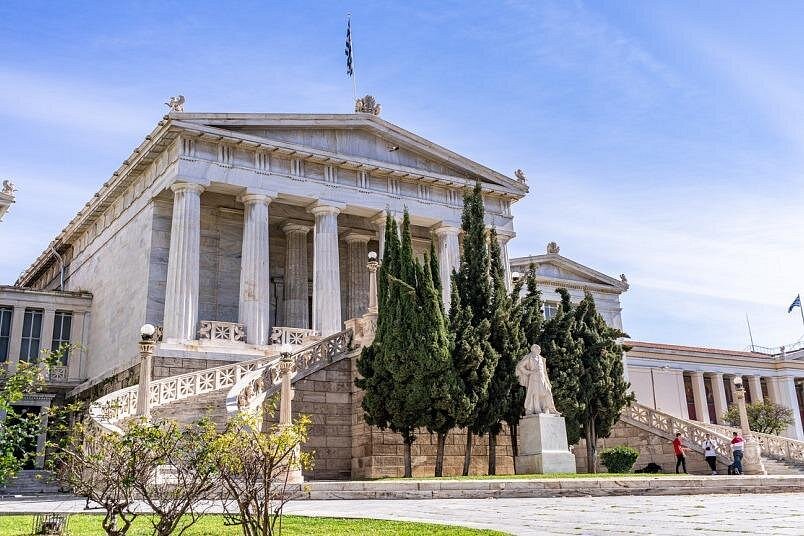
Taiwan’s universities consistently rank among the top institutions in Asia and are especially strong in engineering, technology, and applied sciences.
- Flagship universities like National Taiwan University (NTU), National Tsing Hua University (NTHU), National Chiao Tung / Yang Ming Chiao Tung University (NYCU), and National Cheng Kung University (NCKU) appear in major global rankings for engineering, computer science, and physical sciences.
- For semiconductor, electronics, and ICT‑related programs, Taiwan is often preferred over many European destinations because of its close links with world‑leading companies like TSMC, MediaTek, and Foxconn.
- Universities are research‑oriented with modern laboratories, strong publication records, and international collaborations, giving a solid platform for students who want to pursue a PhD later.
“Is English‑Taught Programs Available?” for students worried about language in top universities.
Strong Industry Connection: Semiconductors, AI and More
If you are aiming for a tech‑driven career, Taiwan’s industry ecosystem is a major advantage.
- Taiwan is known as the global hub for semiconductor manufacturing, accounting for a dominant share of the world’s advanced chip production.
- There is a dense cluster of high‑tech companies in Hsinchu Science Park, Taichung, Tainan and other regions, providing opportunities for internships, thesis projects, and employment after graduation.
- Fields in high demand include IC design, VLSI, embedded systems, electrical and electronics engineering, automation, AI, data science, and computer science.
Students in relevant master’s programs often work on industry‑linked projects, attend company talks on campus, and benefit from career centres that are increasingly tailored to international students.
“Which Jobs Are in Demand in Taiwan?”
Affordable Tuition and Living Costs
Compared to popular destinations like the US, UK, Canada, or Australia, Taiwan offers significantly more affordable education and living costs for international students.
- Tuition fees for many public‑university master’s programs are generally in the range of a few thousand US dollars per year, often lower than European or East‑Asian competitors like Japan or South Korea.
- Living costs for students typically fall around NT$15,000–NT$30,000 per month (roughly ₹38,000–₹64,000), depending on the city and lifestyle choices.
- Cities outside Taipei—such as Taichung, Tainan and Kaohsiung—offer cheaper rents and daily expenses while still maintaining a comfortable student life.
With careful budgeting, shared accommodation, and student discounts, Indian students can maintain a good quality of life at a fraction of the cost of Western countries.
English Taught Programs and Language Comfort
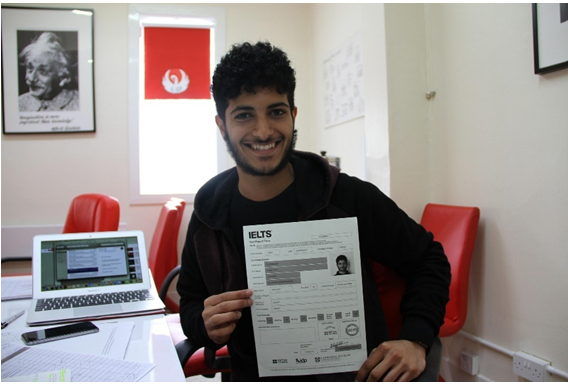
A frequent doubt among Indian students is: “Do I need to know Mandarin to study in Taiwan?” The answer is no for admission into many master’s programs, especially in STEM and business.
- A large number of master’s and PhD programs are fully English‑taught, including in electrical engineering, computer science, electronics, biomedical engineering, management, and international business.
- Universities accept IELTS or TOEFL as proof of English proficiency, with typical requirements around IELTS 6.0–6.5 or equivalent.
- “Is Taiwan Expensive for Indian Students?”
- “How Much Does It Cost to Do a Master’s in Taiwan?”
Safe, Welcoming and Student Friendly Environment
For many parents and students in India, safety and cultural comfort are major deciding factors.
- Taiwan is consistently rated as one of the safest places in Asia, with low crime rates and a friendly, welcoming local population.
- Public transport is efficient, cities are clean, and healthcare is high‑quality and affordable thanks to Taiwan’s national health insurance system.
- The culture is a blend of modern lifestyle and traditional values, making it easier for Indian students to adapt compared to some Western environments.
This angle works well to reassure parents and can be linked to cost and lifestyle‑focused blogs such as “Is Taiwan Expensive for Indian Students?”
Post Study Stay Back and Job Opportunities
- From 2024, foreign graduates can apply for a job‑seeking residency extension for up to 1 year, with the option to extend to a second year to search for suitable employment.
- Graduates who find jobs can obtain work permits and convert to a work‑based residence, with pathways for long‑term stay linked to salary, skills, and experience.
- The Ministry of Education is actively funding universities to improve career counselling, internships, and employment support services tailored to international students.
Who Should Seriously Consider Taiwan for a Master’s?
Taiwan is an excellent fit if you:
- Want a research‑rich, industry‑connected master’s in fields like semiconductors, electronics, AI, data science, or mechanical/electrical engineering.
- Prefer lower tuition and living costs with strong scholarship chances instead of high‑debt options in the West.
- Are open to learning basic Mandarin to maximise your career opportunities in Asia’s tech ecosystem.
For many Indian students, Taiwan offers a rare combination: global‑level education, a realistic chance of fully funded studies, and direct access to one of the world’s most advanced technology industries.

Empowering students to make smarter academic decisions and pursue world-class opportunities with confidence.
Our Branch
- S101, SPM Plaza, Second Floor,North main Street , Thilagar Thidal, Pudukkottai, Tamilnadu, India - 622001
- 209, The Address Commercia Mall, near Hinjawadi Flyover, Wakad, Pune, Maharashtra, India - 411057